10 subtle ways businesses try to shame you into giving more tips - MSN
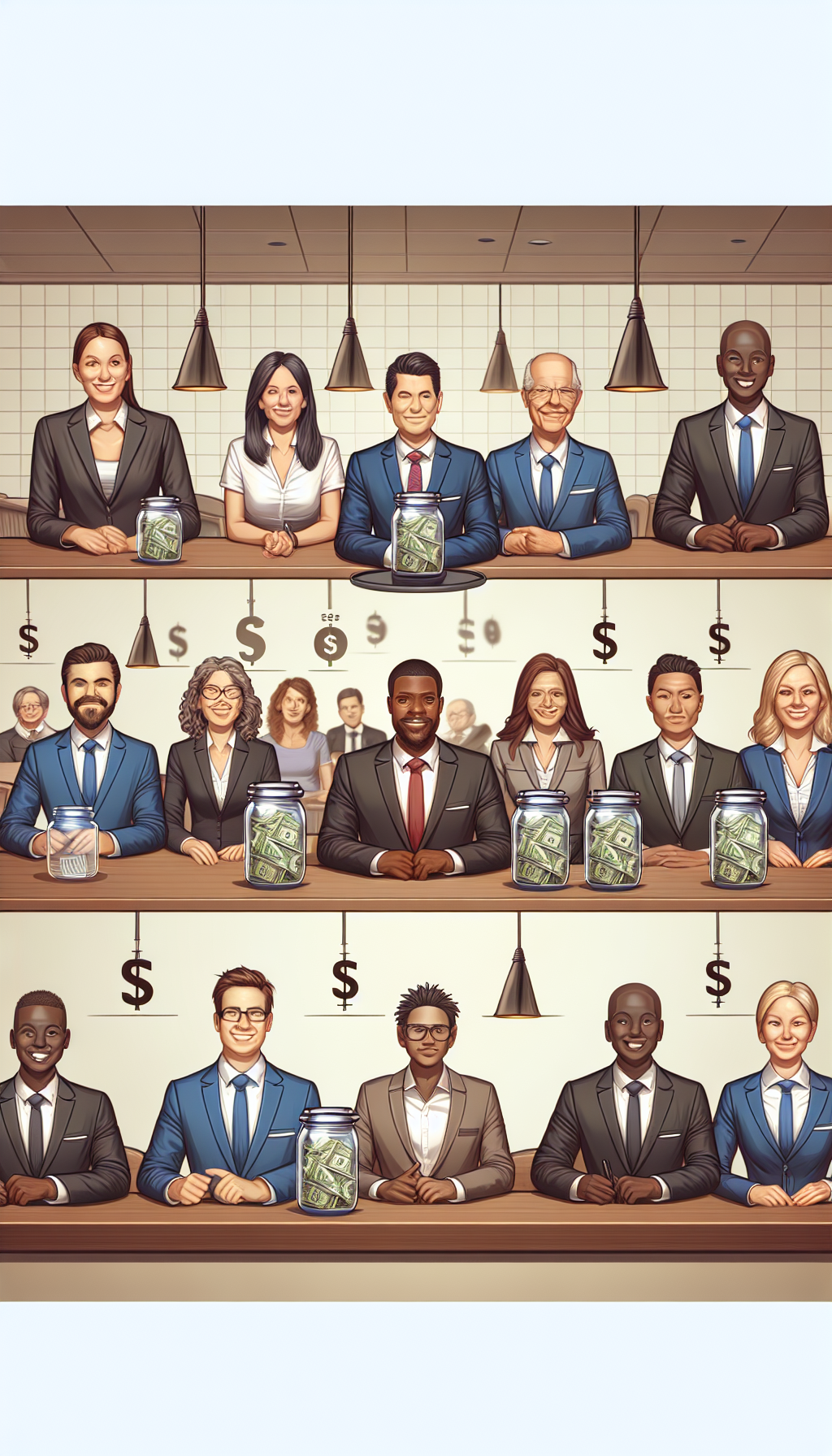
| Key Takeaways |
|---|
| Businesses employ tactics to influence tipping behavior, often leading to increased costs for consumers. |
| Understanding these subtle pressures can aid in making informed financial decisions. |
| Consumers must balance generosity with personal finance principles to maintain financial freedom. |
Shocking Secrets: How Businesses Coerce Tips and Save Your Wallet!
Tipping has morphed into an expected practice across various industries, especially in the service sector, from hospitality to food delivery. However, many of us may not realize that businesses often employ subtle tactics to pressure consumers into tipping more than they originally intended. Recognizing these strategies can empower us as consumers to retain control over our personal finance while also helping our wallets. Here’s a comprehensive look at those tactics and how you can navigate tipping scenarios smartly.
Understanding Tipping Culture: The Landscape
Tipping started as a way to acknowledge and reward good service, evolving over the years into a heavy burden for both customers and service providers. The average tip percentage in the U.S. tends to hover around 15-20%; yet, increasingly, businesses use cognitive and emotional prompts to push consumers for more. Let's break down these tactics.
1. Default Tip Options
One of the most prevalent strategies involves taking advantage of our cognitive bias towards default settings. Many point-of-sale systems now provide preset tip options that suggest percentages like 15%, 20%, or even 25%. The implication is clear: anything less might be viewed as inadequate. Be aware that simply tapping 'no tip' can sometimes feel socially awkward.
2. Tipping Screens
When paying through a tablet or touchscreen at a restaurant, often the interface includes emotive prompts, cheerful graphics, or even proximity to the server’s photo. These visual cues can nudge you into tipping more generously than you planned. Recognizing this tactic can help you stick to your initial tipping value.
3. Recognition of Workers
Some establishments choose to highlight the employees serving you with their names or pictures, creating a personal connection that evokes sympathy or loyalty. This emotional tie can lead to a higher likelihood of tipping more than your original intent.
4. Visual Cues and Environment
The ambiance and design of a venue can subconsciously affect your tipping behavior. Attractive decor, inviting staff interaction, or even a convivial atmosphere can enhance the desire to leave more. Observe your emotions and ensure they don’t dictate your financial decision to overspend on tips.
5. Responsibility and Obligation
Some businesses frame tipping as an extension of their workers' wages, emphasizing that servers depend on tips to make a living. While it's an important point, it can create pressure for consumers to tip more than comfortable. Remind yourself of your budget and personal finance goals.
6. Sympathy Appeals
A charming delivery from your waiter, or hearing heartfelt stories from service staff, may prompt you to tip more liberally due to intended emotional responses. While connecting with human experiences is vital, it's crucial to remain firm in your financial ethics and guidelines.
7. 'Freemium' Experiences
Some businesses may offer complimentary services or small gifts, subtly implying that you owe them a ‘thank you’ in the form of a tip. A free drink or appetizer can sow the seeds of obligation; always view these gestures independently from your tipping decision.
Actionable Tips: Maintaining Control Over Your Tipping Choices
- Set a Budget: Before dining out or receiving services, decide how much you’re comfortable tipping and stick to it.
- Use Cash: When possible, use cash for tips — it can be less psychologically demanding than leaving an electronic gratuity.
- Assess Service Quality: Evaluate the quality of service separately from the emotional tactics employed. Focus on whether the service meets your expectations.
- Be Assertive: Politely decline higher suggested tip percentages if they feel excessive; you have every right to tip what feels fair to you.
- Educate Yourself and Others: Share your knowledge about tipping tactics with friends and family to help them navigate similar situations.
[3 Key Takeaways for Investors]
Understanding how businesses manipulate tipping behavior sheds light on broader consumer psychology, which can have significant implications for investors looking at the market landscape:
- Market Strategy Insights: Companies that effectively enhance customer engagement might see improved revenue streams. Monitor which businesses adopt these tipping tactics as they exhibit an acute understanding of consumer behavior, potentially increasing their market shares.
- Long-Term Sustainability: Consider how businesses that rely heavily on pressure tactics may face backlash from consumers seeking authenticity and fairness. This might lead to legislative changes or shifts in consumer preferences. Thoughtfully evaluate investments based on such trends.
- Brand Loyalty Signals: Companies gathering data on tipping behaviors can leverage these insights to enhance brand loyalty. Watch for businesses that make positive social contributions to their communities, constructing a reputation that fosters financial success while encouraging sustainable tipping practices.
Premium Resource for Your Success
Investing wisely in your environment can significantly impact your financial well-being. Enhanced productivity tools can shape the way you perceive and manage your finances, leading to improved financial freedom. Here’s an essential resource to consider:
- High-End Ergonomic Office Setup - A premium office setup can transform your work experience, increasing your productivity and time efficiency, ultimately resulting in secure wealth building.


Comments
Post a Comment